


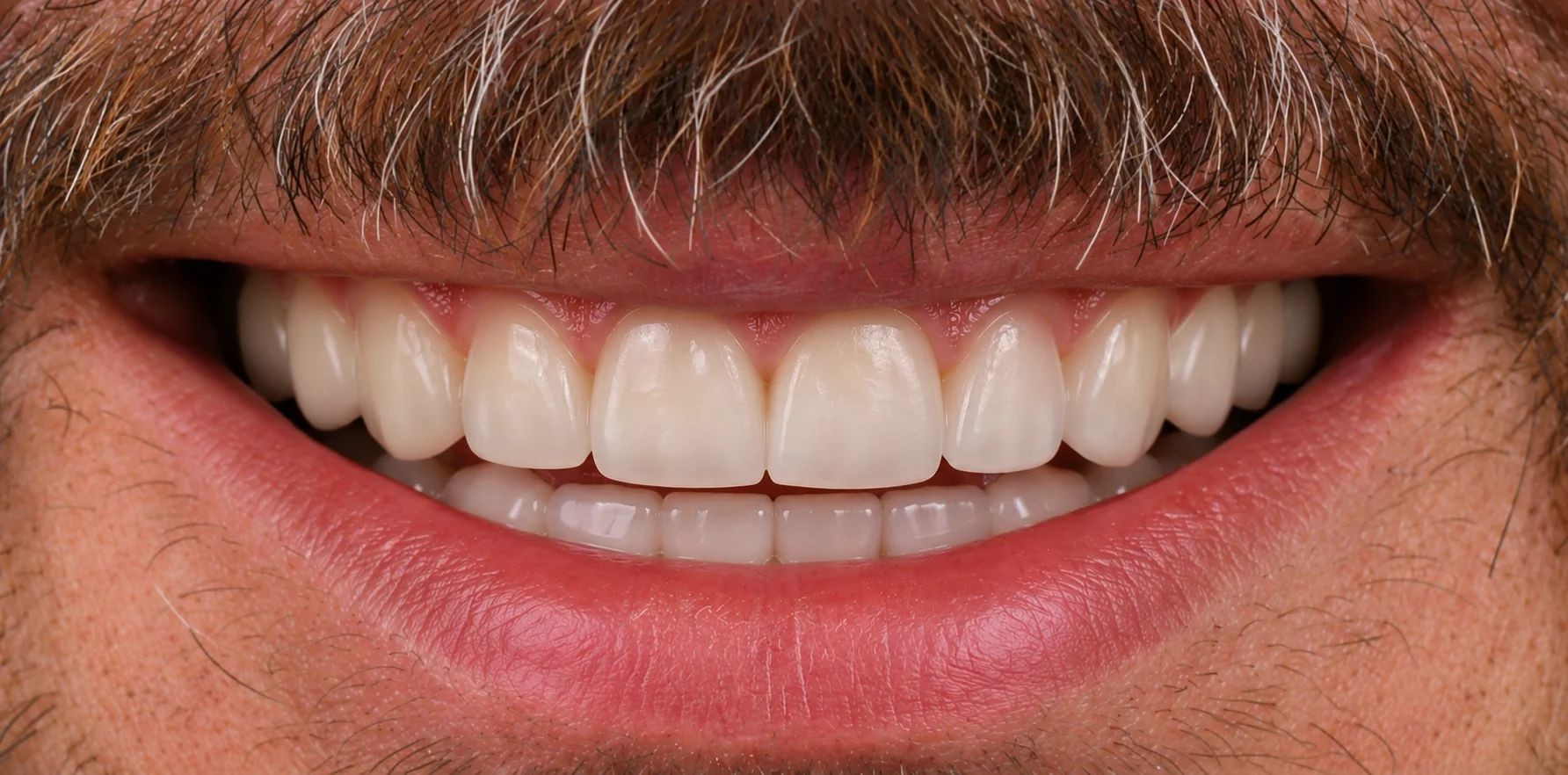
Dental implants in Turkey are an option for European patients seeking to replace missing teeth, but choosing treatment abroad involves more than comparing clinic packages. You need to understand whether implants suit your oral health, how treatment will be staged, and who will manage problems after you return home. Istanbul has many clinics serving international patients, yet standards, experience and follow-up arrangements vary. A safe decision starts with an individual assessment and a written treatment plan that explains the proposed care, alternatives, risks and responsibilities.
A dental implant is usually a titanium fixture placed into the jawbone to support a replacement tooth or bridge. The fixture acts as an artificial root. An abutment connects it to the visible restoration, such as a crown. When several teeth are missing, implants may support a bridge or help stabilise a removable denture. The number of implants depends on your anatomy, bite and restoration design; replacing every missing tooth with a separate implant is not always necessary.
Implants can improve chewing, appearance and denture stability, but they require surgery and continuing maintenance. They do not prevent gum disease or guarantee lifelong service. Problems can affect the surrounding tissues, the implant itself or components such as screws and crowns. Before considering travel, ask whether retaining a natural tooth is possible. Depending on your circumstances, reasonable alternatives include a conventional bridge, an adhesive bridge, a removable denture or accepting a gap when this would not compromise function or health.
Suitability depends on more than having enough space for a replacement tooth. Your dentist should assess gum health, remaining teeth, bone volume, bite and medical history. Active gum disease generally needs treatment before implant placement. Smoking, poorly controlled diabetes and a history of periodontitis can increase complication risks. Medicines affecting bone turnover, including some treatments for osteoporosis or cancer, need particular discussion. Tell the clinician about all prescribed medicines, supplements, allergies and previous surgery; do not stop medication without advice from the prescribing clinician.
Understanding dental implants and alternatives
An online consultation can help establish an outline, but photographs alone cannot confirm implant suitability. A clinical examination and appropriate imaging are needed before a definitive plan. A three-dimensional cone beam CT scan may be justified to assess bone and nearby structures, including nerves and sinuses. Imaging should be selected according to clinical need. If you receive a quotation before examination, check which assumptions it contains and how findings on arrival could change the treatment, timing or total cost.
Many implant treatments involve more than one visit to Turkey. After placement, the bone usually needs several months to integrate with the implant before the final restoration is fitted. Some patients can receive temporary teeth earlier, but immediate loading depends on factors such as implant stability, bone quality and bite forces. A promise of fixed teeth within days does not mean healing is complete. Bone grafting, sinus augmentation or treatment of infection may add stages and extend the overall schedule.
The main surgical risks include pain, swelling, bruising, bleeding and infection. Less common complications include damage to adjacent teeth, nerve injury causing altered sensation, or sinus problems in the upper jaw. An implant may fail to integrate and need removal. Later, inflammation can develop around an implant; when associated with progressive bone loss, this is called peri-implantitis. Ask how your own risk factors affect the recommendation and how complications would be treated, including whether additional appointments or travel might be necessary.
Before booking flights to Istanbul, identify the clinician responsible for surgery and the clinician restoring the implants. Ask about their registration, relevant training and experience with cases like yours. Request a written breakdown covering investigations, surgery, temporary teeth, final restorations and any proposed grafting. Clarify what happens if the plan changes after examination. Allow time to consider consent in a language you understand, without pressure from travel deadlines. Arrange local follow-up, obtain copies of your records and confirm whom to contact urgently. Your travel schedule should leave room for postoperative review, and your dentist should advise when you are fit to fly based on the procedure and your recovery.
Who may be suitable for implants?
When comparing quotations, check exactly what each clinic means by an “implant”. The price may cover only the fixture, with the abutment and crown charged separately. Other possible expenses include sedation, laboratory work, medicines and protective appliances. Accommodation and transfers may have limits if treatment takes longer than expected. Budget for return journeys, time away from work and maintenance at home. Ask how payments, cancellations and refunds work if the clinical assessment shows that the advertised treatment is unsuitable.
Find out which implant system the clinician proposes and whether replacement components are available in your home country. Obtain a record of the manufacturer, model and component details after treatment. This information can help another dentist identify compatible parts if a screw loosens or a restoration needs repair. A familiar brand alone does not establish treatment quality: diagnosis, accurate placement, restoration design and maintenance all affect the outcome. Ask why the suggested system and crown material suit your particular circumstances.
The visible teeth also deserve careful discussion. The final restoration should allow comfortable speech, an appropriate bite and access for cleaning. With extensive tooth loss, a bridge may include artificial gum material to replace missing tissue. Ask how this could affect appearance and daily hygiene. Where appropriate, a trial restoration can help assess tooth position and speech before the final version is made. Photographs of other patients cannot reliably predict your result because bone loss, lip movement and facial proportions differ.
If extractions are proposed, ask for the diagnosis and prognosis of each affected tooth. Removing teeth is irreversible, and a treatment plan involving several extractions deserves particular consideration. An independent opinion may help if you are unsure whether teeth could be preserved. You should also understand whether the planned teeth will be removable by you or fixed and removable only by a clinician. These designs have different implications for cleaning, repairs and ongoing professional care.
Dental implant assessment and treatment planning
Discuss pain control before the appointment. Local anaesthetic is commonly used for implant placement; sedation may be considered for anxiety or more extensive procedures. Sedation requires a separate assessment, monitoring and clear discharge arrangements. Depending on the technique, you may need a responsible adult to accompany you and stay with you afterwards. Follow the team’s instructions about eating, drinking, driving and alcohol. Tell them about sleep apnoea, previous anaesthetic problems and any medicines that cause drowsiness.
During early recovery, follow the surgeon’s written instructions for protecting the wound. These usually cover gentle cleaning, food choices and avoiding pressure from a temporary denture. Choose foods that are comfortable to eat and avoid chewing directly on the surgical area until advised. Do not repeatedly pull your lip aside to inspect the stitches. Use prescribed medicines exactly as directed; antibiotics are not necessary for every situation, and you should never start leftover tablets yourself.
Some discomfort and swelling are expected after surgery, but the pattern matters. Contact the treating team promptly if symptoms worsen after initially improving, or if you develop fever, discharge, persistent bleeding or unexpected numbness. A loose temporary tooth or bridge also needs advice: continuing to bite on it may damage components or disturb healing. Difficulty breathing or swallowing, rapidly spreading swelling, or bleeding that does not stop with the instructed pressure requires urgent local medical assessment rather than waiting for a remote reply.
Once the tissues have healed, daily plaque removal becomes central to protecting the result. Brush carefully around the gum margins and clean between implants and beneath bridges using tools selected for your restoration. Your dental team should demonstrate the technique and watch you practise it. An oral irrigator may be a useful addition for some people, but it does not automatically replace brushing or interdental cleaning. Report persistent bleeding, tenderness, bad taste or changes in how the teeth meet.
Implant surgery, healing and restoration
Professional maintenance should follow an individual schedule based on gum health, smoking, cleaning ability and restoration complexity. Confirm that a dentist at home is willing to assess and maintain the implants, and ask about the likely fees. Keep the written care agreement: any warranty may have conditions and may exclude travel or treatment elsewhere. Understand how complaints are handled, which legal entity provides your care and how records will be shared if another clinician needs to intervene.
If your jawbone cannot support an implant in the planned position, the dentist may suggest rebuilding it. A bone graft can use your own bone, donated human material, animal-derived material or a synthetic substitute. Each option has different properties and limitations. Ask which material is proposed, why it is appropriate and whether your medical history or personal beliefs affect the choice. If bone is taken from another part of your mouth, that creates an additional surgical site with its own recovery needs.
A sinus lift is a particular procedure sometimes needed when placing implants towards the back of the upper jaw. It raises the membrane lining the sinus to create room for graft material beneath it. Risks include a tear in the membrane, infection and sinus symptoms; occasionally, the treatment plan must change during surgery. Tell the clinician about recurrent sinusitis, previous sinus operations or current congestion. After this procedure, specific restrictions on nose blowing, sneezing and activities involving pressure changes may apply.
For patients missing all teeth in an arch, terms such as “All-on-4” and “All-on-6” describe approaches to supporting a complete bridge. These names do not establish which design is suitable for you. Implant position, the amount of bone available and the forces generated during chewing matter alongside the number used. Ask how far the bridge will extend beyond its supporting implants and what happens if one implant fails. The answer may affect whether the remaining restoration can function or needs redesigning.
Risks, complications and aftercare
Clenching and grinding can place considerable stress on implant restorations. Tell your dentist if you wake with jaw discomfort, have previously fractured teeth or have been told that you grind during sleep. The assessment should consider wear patterns and the condition of the opposing teeth. Depending on the findings, the dentist may adjust the restoration design or recommend a protective night guard. Such an appliance can help manage mechanical risks, but it cannot prevent every fracture or compensate for an unsuitable bite.
Replacing several teeth can also change how your tongue and lips interact with them. During an adaptation period, you may notice differences in pronunciation, saliva control or the sensation of food beneath a bridge. Tell the team about persistent whistling, difficulty forming particular sounds or biting your cheek. Some problems improve with practice, while others require an adjustment. Before accepting the final restoration, explain any difficulty clearly and ask whether it reflects temporary adaptation or a feature of the design that needs attention.
Your consent should cover decisions that might arise while treatment is underway. For example, what should happen if an implant cannot achieve adequate stability, or if the surgeon discovers a larger bone defect than expected? Agree which changes you authorise and which require a fresh discussion. You can decline a proposed procedure or withdraw consent before it takes place, although work already completed may have financial and clinical consequences. Major decisions are best discussed before sedative medicines affect your ability to weigh information.
If you need an interpreter, establish who will provide that service and whether they can accurately explain clinical terminology. A coordinator who organises transport may have a different role from someone qualified to interpret a consent discussion. Request translated information in advance where available, and ask the treating clinician to explain anything unclear. You should have an opportunity to speak directly about your concerns, including privately if you prefer. Understanding the plan means being able to describe its main implications in your own words.
Dental tourism in Istanbul: practical planning
Check insurance arrangements before paying a deposit. Standard travel insurance commonly excludes planned dental treatment and complications arising from it, although policy wording varies. Ask the insurer specifically about your intended procedures, emergency hospital care, changes to flights and an extended stay. Obtain the answer in writing. European patients should also understand that the European Health Insurance Card does not provide cover in Turkey. Any separate healthcare entitlement depends on your country and circumstances, so confirm the position with the relevant authority.
Think about the practical effects of recovering away from home. A quiet place to rest, access to suitable meals and reliable transport to the clinic can matter more than sightseeing opportunities. Avoid scheduling strenuous excursions around surgery. If you are travelling alone, establish how you would obtain help outside clinic hours, particularly if you feel unwell or cannot communicate easily. Keep essential contact details accessible without an internet connection, and carry prescribed medicines in their original labelled packaging when travelling.
The timing of implant placement after an extraction is another decision that needs explanation. An implant can sometimes be placed into the socket on the day a tooth is removed, while other cases benefit from a period of healing first. Immediate placement does not necessarily mean immediate attachment of a working tooth. The condition of the socket walls, surrounding gum and available bone all influence the choice. Ask what the dentist expects to gain from the proposed timing and what would trigger a delay.
Implants near the front of the mouth present particular aesthetic challenges. After a tooth is lost, the gum and bone can shrink, affecting the apparent length of the replacement tooth and the spaces beside it. A high smile line may make these differences more visible. Some patients need treatment to improve tissue thickness or contour, but perfect symmetry cannot be promised. Discuss the likely gum outline as well as the crown’s shade, especially if a single implant will sit between natural teeth.
Follow-up care after returning to Europe
The way a crown or bridge attaches to the implants affects future access. Some restorations are held by screws, while others use cement; each approach has clinical advantages and limitations. Screw access may make removal for servicing easier, although its position can influence appearance and design. With cemented restorations, careful removal of excess cement is essential because retained material can contribute to inflammation. Ask how the restoration would be removed if the team needed to inspect tissues, replace a component or carry out a repair.
Implants also feel different from natural teeth. A natural tooth has a ligament containing sensory receptors that help you detect pressure during biting. An implant connects directly with bone and lacks that ligament, so your awareness of biting forces changes. This is one reason the dentist checks how the replacement teeth contact during chewing and jaw movements. Once eating becomes comfortable, continue to avoid habits such as chewing ice, opening packaging with your teeth or testing the restoration by biting unusually hard objects.
Age alone does not determine whether treatment is appropriate. For an older adult, the assessment should consider general health, manual dexterity and the ability to attend appointments or manage cleaning independently. A complex fixed bridge may become difficult to maintain if mobility or eyesight deteriorates. Discuss whether a simpler design would remain practical if your care needs change. For younger patients, implants are generally deferred until jaw growth is complete because they do not move with developing neighbouring teeth and bone.
Elective implant surgery is usually postponed during pregnancy. If you are pregnant, think you might be pregnant or are planning pregnancy during a lengthy course of treatment, tell the team before investigations and prescriptions are arranged. Necessary care for pain or infection should still be sought promptly. The clinician can distinguish urgent dental needs from procedures that can wait and coordinate medical advice where appropriate. A travel booking should not determine when elective surgery takes place.
Questions to ask before booking
After the restoration is fitted, useful baseline records help clinicians recognise later changes. These may include a clinically justified radiograph showing bone levels, an assessment of the surrounding gums and a record of how the restoration fits. During maintenance appointments, the clinician may gently measure around the implants and compare findings over time. A single measurement rarely tells the whole story. Changes in bleeding, pocket depths and bone levels need to be interpreted together, alongside your symptoms and cleaning routine.
If an implant develops a problem, treatment depends on its cause and extent. Early inflammation confined to the soft tissues may respond to professional cleaning and improved plaque control. Established bone loss can require more involved treatment, sometimes including surgery, and recovery is not assured. A fractured crown may be repairable without removing the implant, whereas a mobile implant fixture needs prompt assessment. Distinguishing movement of the crown from movement of the fixture requires examination; a video call cannot reliably resolve that question.
When reviewing your proposed plan, ask the clinician to explain the expected course for your own case, including the uncertainties that remain after assessment. Published survival figures describe groups of implants under particular conditions; they cannot predict an individual outcome or capture every repair and maintenance visit. Give yourself time to weigh the benefits against the surgical burden and future commitments. A considered decision should leave you clear about what treatment involves and confident that you can manage the care it requires.
Related dental treatment and travel resources
Explore dental treatment options, Europe Dental clinic locations and contact our patient team for an individual assessment.
