The Bosphorus separates Europe and Asia through the heart of Istanbul.
WhereIstanbul, Turkiye - on the BosphorusBest timeApril-May & September-OctoberAirportsIST and SAWCurrencyTurkish lira (TRY)Getting aroundMetro, tram and ferry with one card
Istanbul is the only major city in the world that spans two continents. The Bosphorus strait runs through its middle, separating Europe from Asia, and the old city on the European side gathers together Roman, Byzantine and Ottoman monuments within a few walkable kilometres.
For dental travellers it is a wonderfully efficient destination: you can have a morning appointment and be standing under the dome of Hagia Sophia or cruising the Bosphorus by the afternoon. This guide covers the sights worth your time, how to move around, where to eat and stay, and how to plan the days around your treatment.
Top sights you should not miss
These are the places almost every visitor remembers. The first few sit within a short walk of one another in the historic peninsula.
Hagia Sophia
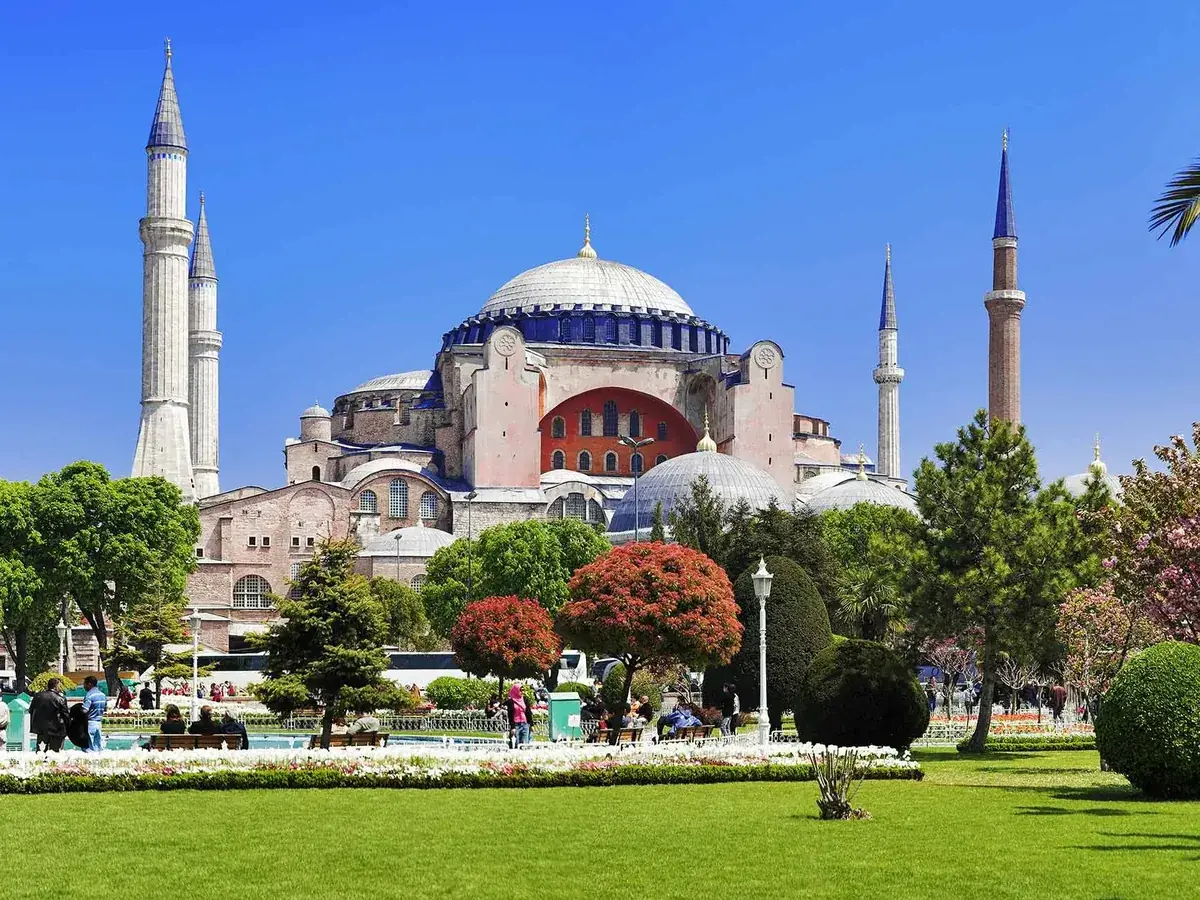
Completed in AD 537 under the emperor Justinian, Hagia Sophia was the largest cathedral in the world for nearly a thousand years before becoming an Ottoman mosque. Its vast dome, shimmering mosaics and columns of marble from across the empire make it the defining monument of the city. Check the current visiting arrangements before you go.
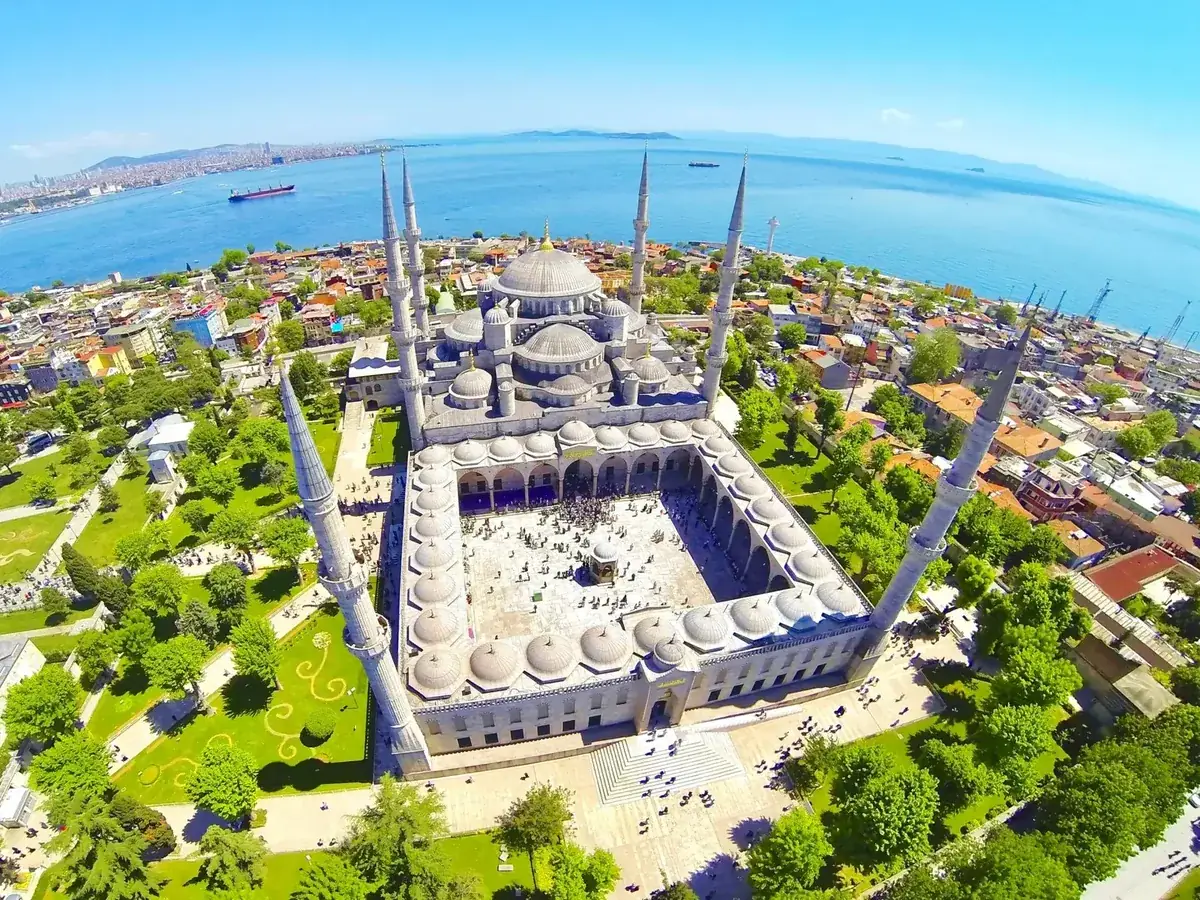
Finished in 1617, the mosque takes its nickname from the more than 20,000 hand-made Iznik tiles that line its interior. It is still an active place of worship: visitors use a side entrance, cover their shoulders and knees, and remove their shoes.
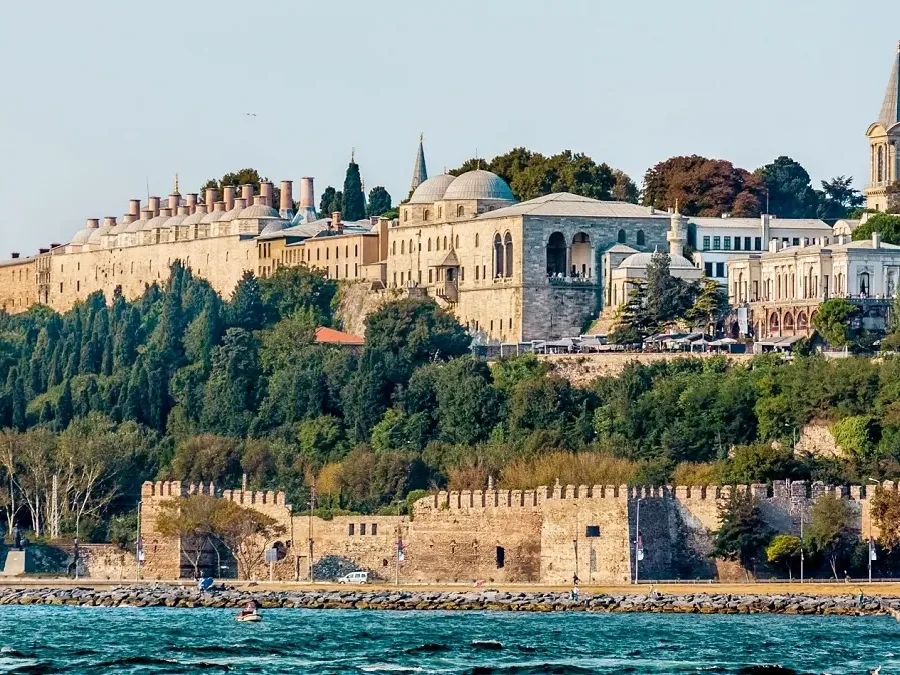
For almost four centuries this was the residence and court of the Ottoman sultans. Explore the courtyards, the harem, the treasury and the terraces looking out over the Bosphorus, and allow at least two to three hours.
A vast sixth-century underground reservoir held up by 336 columns, famous for the two carved Medusa heads that support two of them. Cool and atmospheric, it makes a welcome stop on a hot day.
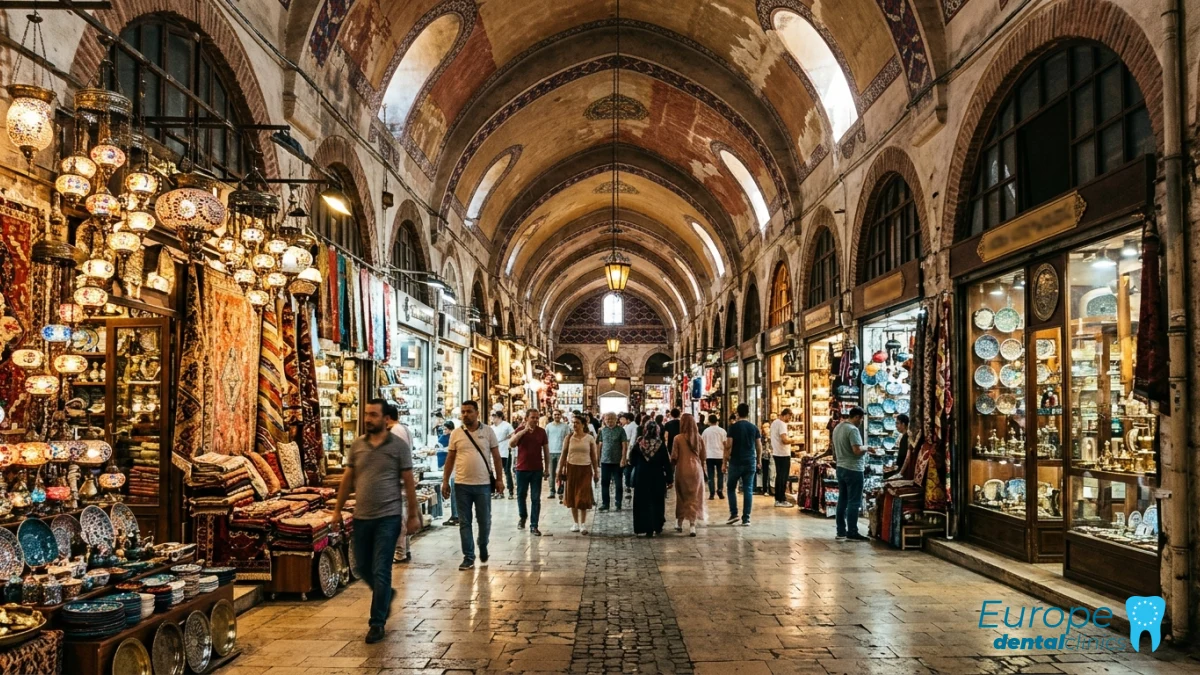
One of the oldest covered markets in the world, with around 4,000 shops along some 60 streets selling carpets, ceramics, jewellery, leather and textiles. Go early to browse in peace, and treat the tea offered in the shops as part of the experience.
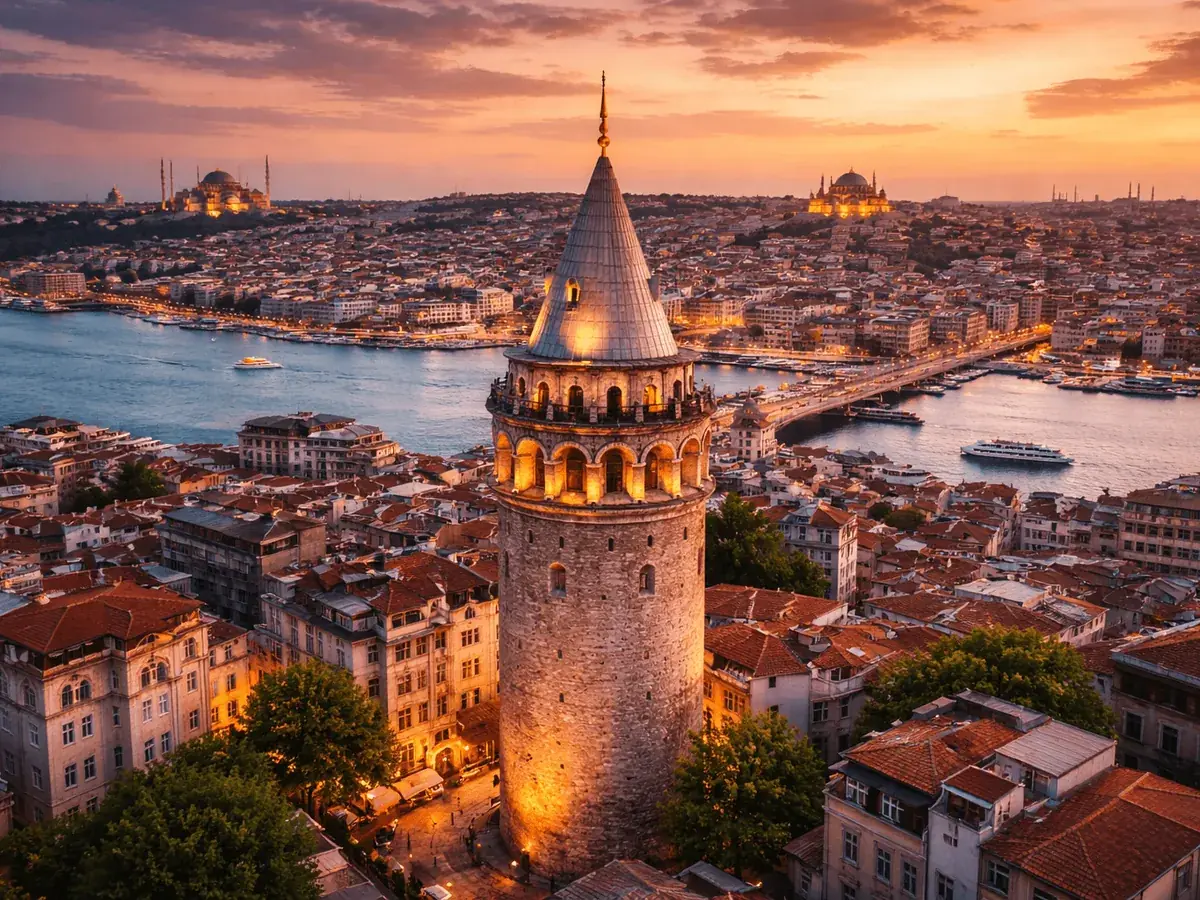
A stone tower built by the Genoese in 1348, standing above the Karakoy waterfront. Its gallery gives a 360-degree view over the Golden Horn, the Bosphorus and the old city, and is best visited shortly before sunset.
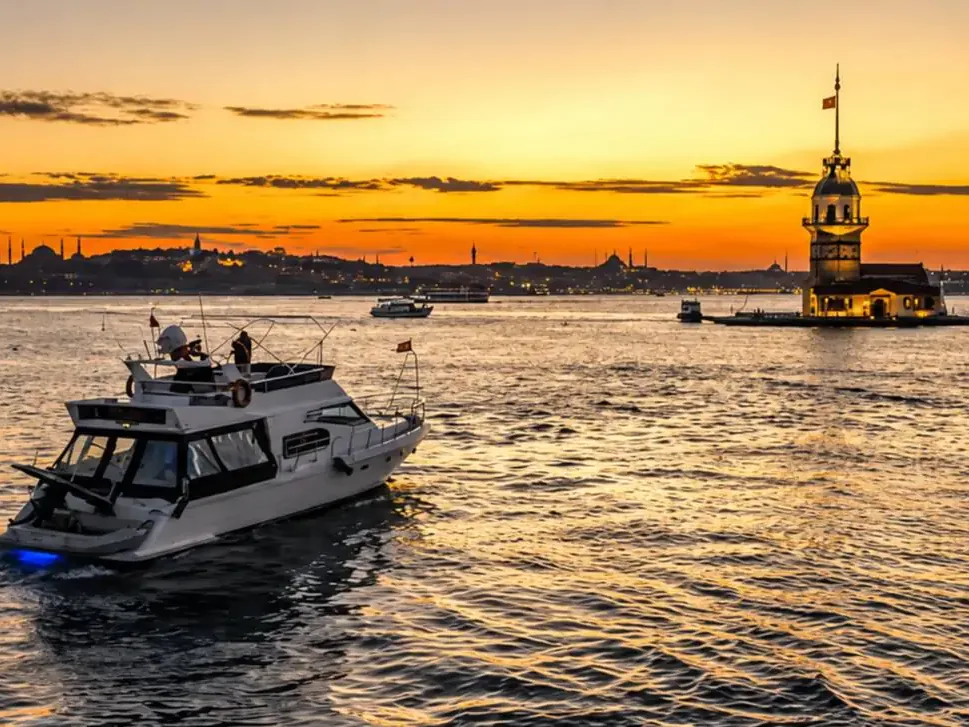
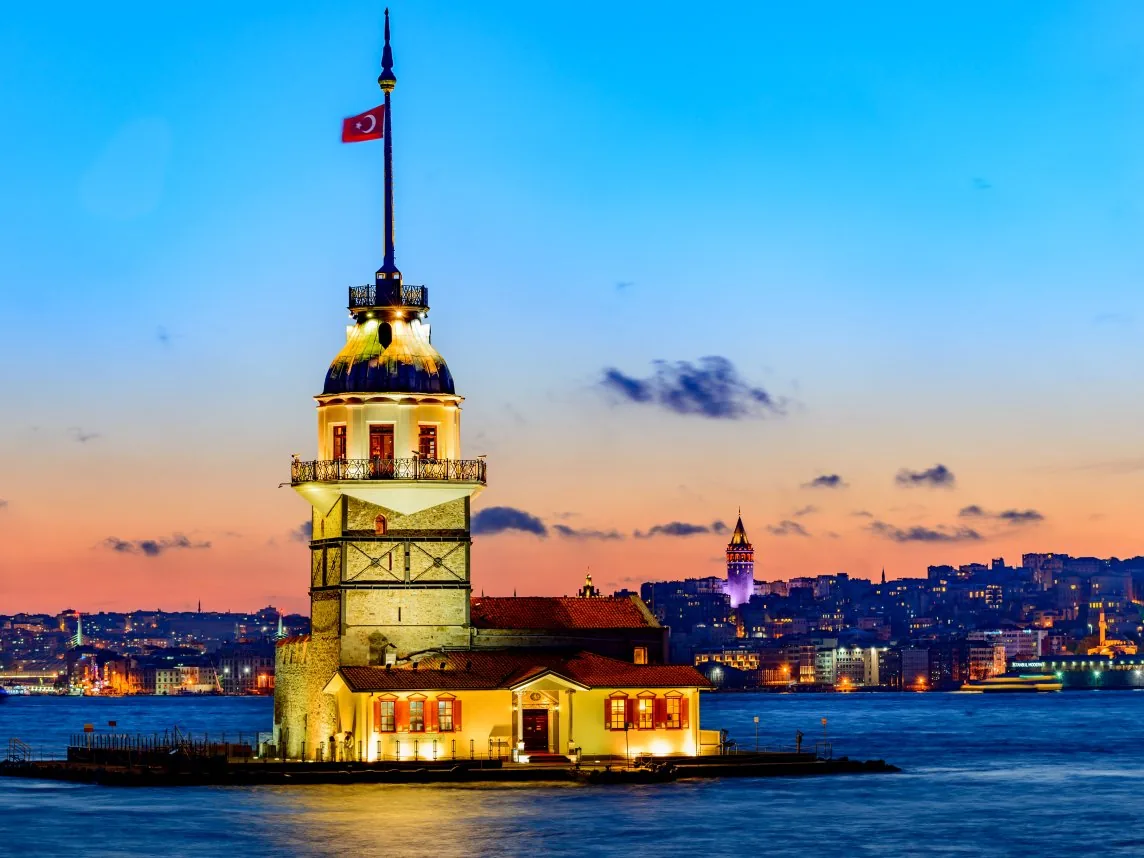
A small tower on a natural islet in the Bosphorus, wrapped in legend and now beautifully restored. Reach it by a short boat ride from Uskudar or Ortakoy.
The classic Istanbul experience: a boat trip along the strait that separates Europe and Asia, passing Ottoman palaces, fortresses and wooden waterfront mansions. Scheduled ferries are frequent and inexpensive.
The 19th-century palace where the last Ottoman sultans lived, an extravagant blend of European and Ottoman styles right on the Bosphorus shore, famous for its enormous crystal chandelier.
The masterpiece of the Ottoman architect Mimar Sinan, completed in 1557 and crowning one of the city hills. The courtyard has some of the finest views in Istanbul.
The ceremonial square of Roman Constantinople, where chariot races once drew tens of thousands of spectators. The Egyptian Obelisk, the Serpent Column and the Walled Obelisk still stand here.
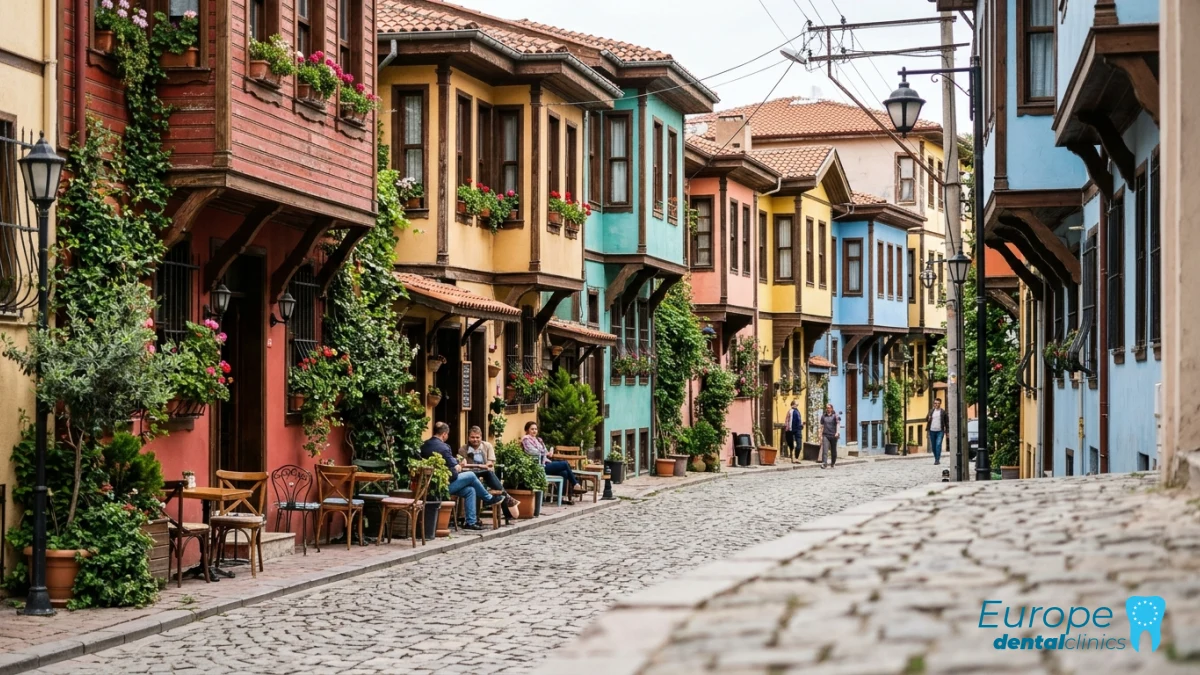
Two colourful historic quarters along the Golden Horn, full of restored Ottoman houses, churches, synagogues and small cafes. Part of the UNESCO-listed historic areas of Istanbul, and a favourite of photographers.
Held by many to contain the finest Byzantine mosaics and frescoes anywhere. Check opening times before visiting, as the building has undergone restoration.
A lively Bosphorus-side neighbourhood where a Neo-Baroque mosque stands beside the Bosphorus Bridge, and street stalls sell kumpir, baked potatoes piled with toppings.
Hagia Sophia, the Blue Mosque and Topkapi Palace sit within a short walk of one another; the area is quiet in the evenings and full of small hotels.
Beyoglu and Istiklal Avenue
The modern heart of the city - cafes, music venues, galleries and the nostalgic tram - and one of the best places for an evening out.
Karakoy and Galata
A former banking quarter turned design and food district, at the foot of the Galata Tower and handy for the ferry piers.
Balat and Fener
Colourful lanes, churches and synagogues along the Golden Horn, ideal for a slow morning of photography and coffee.
Ortakoy and Besiktas
Bosphorus views, markets and a lively atmosphere, easy to reach by bus or ferry.
Kadikoy (Asian side)
Markets, street food and a slower pace of life, with ferry connections from Eminonu and Karakoy.
A three-day Istanbul itinerary
Day 1 - The historic peninsulaStart early at Hagia Sophia and the Blue Mosque on Sultanahmet Square, walk through the Hippodrome to Topkapi Palace, then finish underground at the Basilica Cistern. Have dinner in Sultanahmet or a fish-and-bread (balik ekmek) by Eminonu.
Day 2 - Palaces and the BosphorusVisit Dolmabahce Palace in the morning, then take a ferry up the Bosphorus from Eminonu or Besiktas. In the late afternoon climb Galata Tower for sunset and have dinner in Karakoy or Beyoglu.
Day 3 - Markets and the Asian sideExplore the Grand Bazaar and the Spice Bazaar, then catch a ferry to Kadikoy for lunch and its street market. On the way back, wander the colourful streets of Balat and Fener, or take a day trip to the Princes Islands.
Istanbul on the map
The interactive map loads from OpenStreetMap and appears after you accept content cookies.
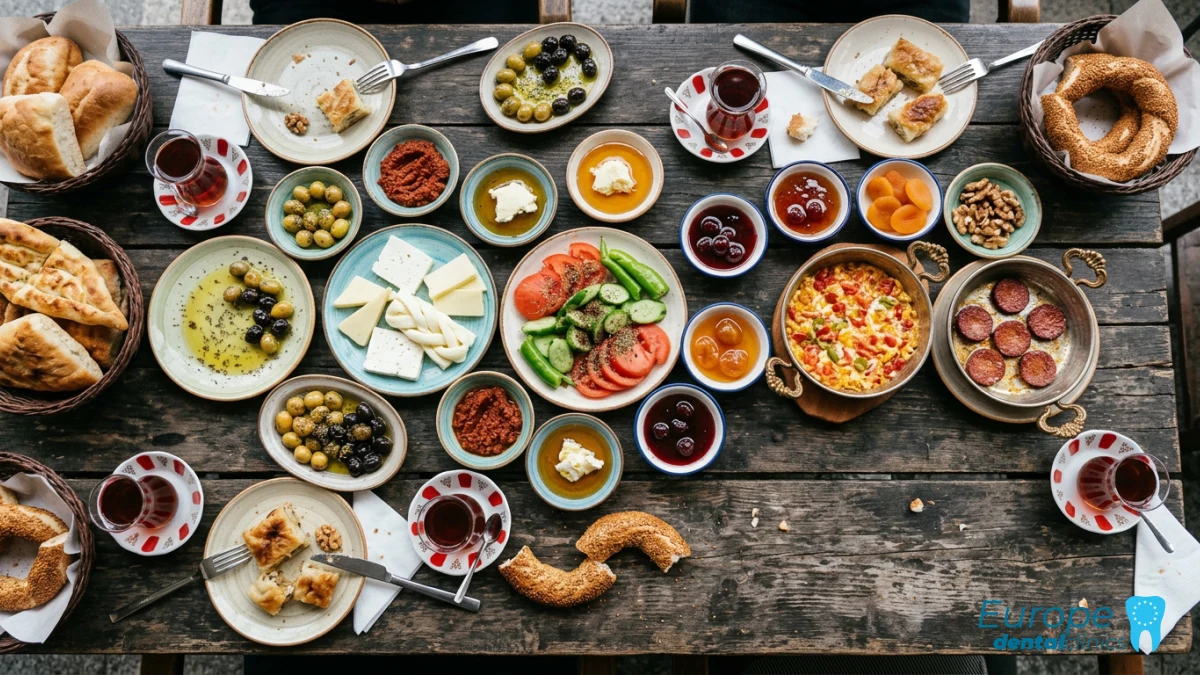
Turkish food is one of the great pleasures of a trip to Istanbul. Start the day with a full Turkish breakfast (kahvalti): small plates of cheese, olives, tomatoes, cucumber, honey, jam and fresh bread, with endless glasses of tea.
For lunch and dinner look for kebap and meze, grilled fish by the water, lahmacun, and street food such as balik ekmek. Leave room for baklava or the cheese dessert kunefe, and finish with Turkish coffee. Beyoglu, Kadikoy and Karakoy have the widest choice, while Eminonu is the classic spot for a fish sandwich by the ferries.
Getting around
Istanbulkart: one card covers the metro, tram, funicular, buses and ferries. Buy and top it up at machines in stations.
Tram T1 runs through the historic peninsula and connects most of the headline sights.
Metro and ferries link the European and Asian sides; the ferry (vapur) is quick and a sight in itself.
Istanbul Airport (IST) is roughly 40-50 minutes from the centre; Sabiha Gokcen (SAW) is on the Asian side and further out, so allow more time.
Taxis and ride-hailing apps are widely available; make sure the meter is running.
The best time to visit
Spring (April to May) and autumn (September to October) are the ideal months, with mild weather and clear skies. July and August are hot and busy, while winter is mild but grey and wet - though the city is calmer and often cheaper.
Where to stay
Sultanahmet Walking distance to the main sights, quiet evenings and plenty of small hotels.
Beyoglu and Taksim Best for nightlife, restaurants and shopping.
Karakoy Central, design-led and close to the water and the ferries.
Kadikoy Local and relaxed, easy to reach by ferry and full of good food.
Combining dental care with your visit
Our Istanbul clinics are spread across the city, from the historic centre to the residential districts on the European side. See our clinics.
Plan your first appointment for soon after you arrive, so laboratory work can be completed while you sightsee.
After surgical procedures such as extractions or implants, keep a rest day and avoid swimming, saunas and very hot food for a few days.
Sightseeing involves a lot of walking, so build in breaks and choose soft, cool foods while you heal.
Where possible, schedule the final fitting a day before you fly home, and keep the clinic contact details with you for follow-up.
Ready to start? Get your free treatment plan
Send us an X-ray or a few photos and our dentists will prepare a written treatment plan and price in English - free of charge, with no obligation.
Free first examination and digital X-ray
Written plan in English before you travel
12 clinics in Turkiye - 11 in Istanbul and 1 in Antalya - plus Cologne
How many days do I need for sightseeing in Istanbul?
Three full days cover the highlights; add a day or two for museums, the Asian side and a Bosphorus trip.
Is Istanbul easy to get around?
Yes. A single Istanbulkart covers the metro, tram, ferries and buses, and the main sights of the old city are close together on foot.
When is the best time to visit Istanbul?
April to May and September to October, when the weather is mild and the city is at its best.
Can I combine sightseeing with dental treatment?
Yes. Plan treatment in the first days of your trip, sightsee while any laboratory work is done, and keep a rest day after surgery. Your coordinator can help arrange the schedule.
Is the tap water safe to drink?
Tap water is not recommended for drinking; bottled water is cheap and available everywhere.
What should I wear at the mosques?
Cover your shoulders and knees, and women should carry a scarf. Shoes are removed at the entrance.
We use only essential cookies to run this site. With your consent we also use cookies to measure visits and display content such as maps and Instagram. You can change your choice at any time.